Wenner-Gren Center
Sveavägen 166
When the Wenner-Gren Center was completed, it was Sweden's tallest building – and the tallest of its kind in Europe. It was a pioneering construction that placed both Stockholm and Sweden on the international map of architecture and engineering.
Fabege is currently undertaking a functional renewal and further development of the property, opening up new opportunities for offices and services in 2027. All work is being carried out while preserving its architectural heritage and its position as one of the best viewpoints over Stockholm.
Read more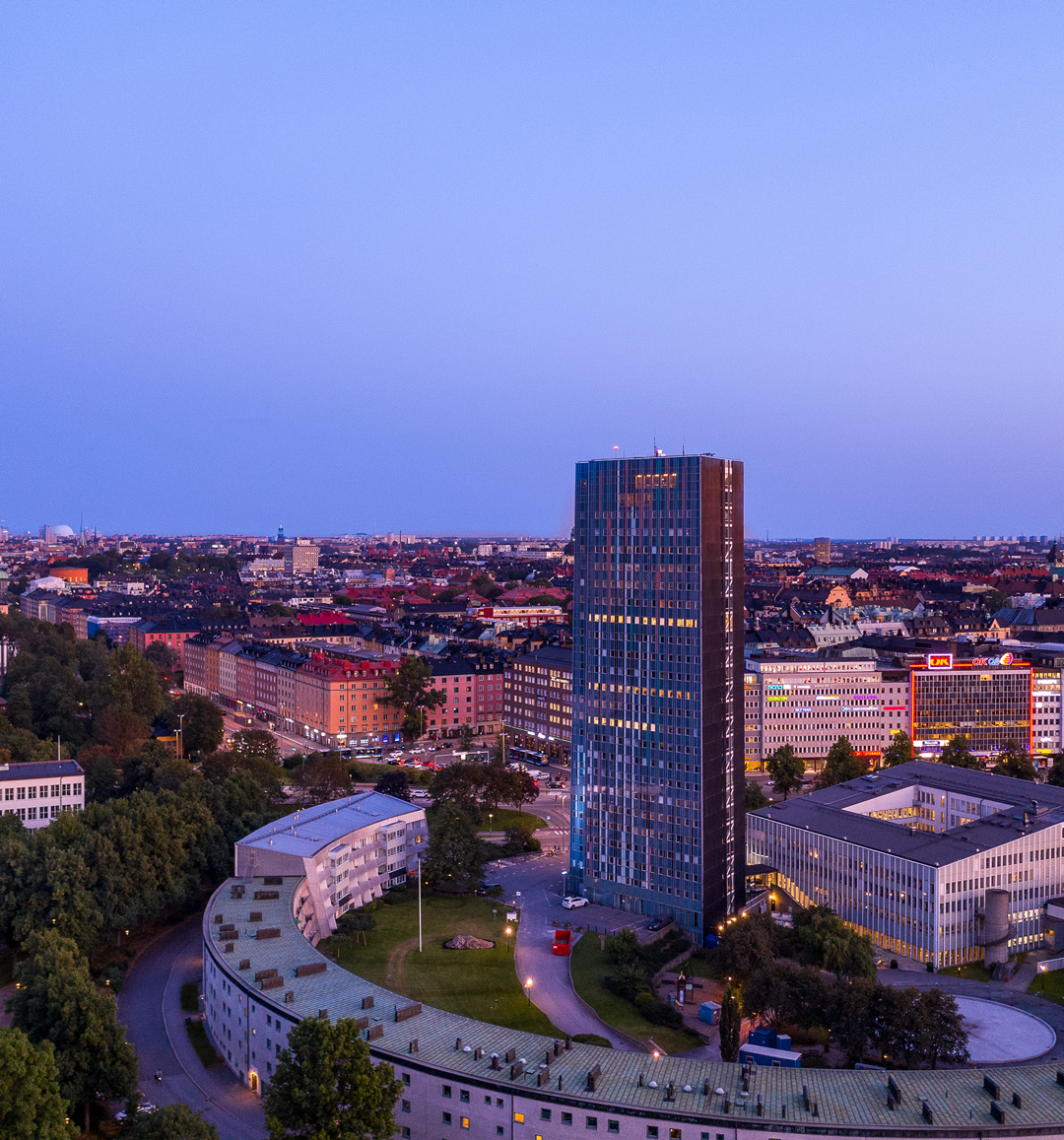
Lumafabriken
Lumafabriksvägen
Lumafabriken was built in the early 1930s for the production of light bulbs under the Luma brand. Designed by architects Artur von Schmalensee and Eskil Sundahl, it is considered one of Sweden's first Functionalist industrial facilities.
The building comprises ten floors and has been modernised and extended several times over the decades. The Kooperativa Förbundet (KF) manufactured light bulbs here until 1970. Since then, the premises have undergone several modernisations to accommodate new tenants.
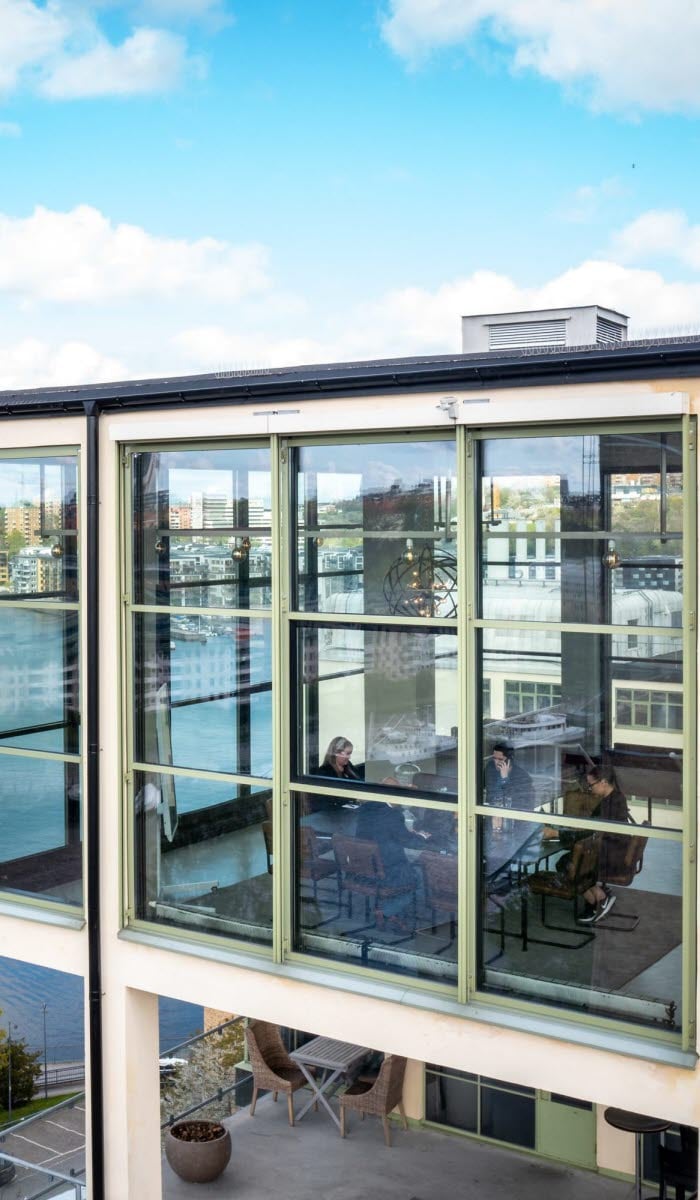
The glass-enclosed lamp-testing room at the top, which glowed at night, became a symbol for the factory. Today, it serves as a unique conference room.
Lumafabriken is now a listed cultural landmark and a vital part of Hammarby Sjöstad’s identity.
Read more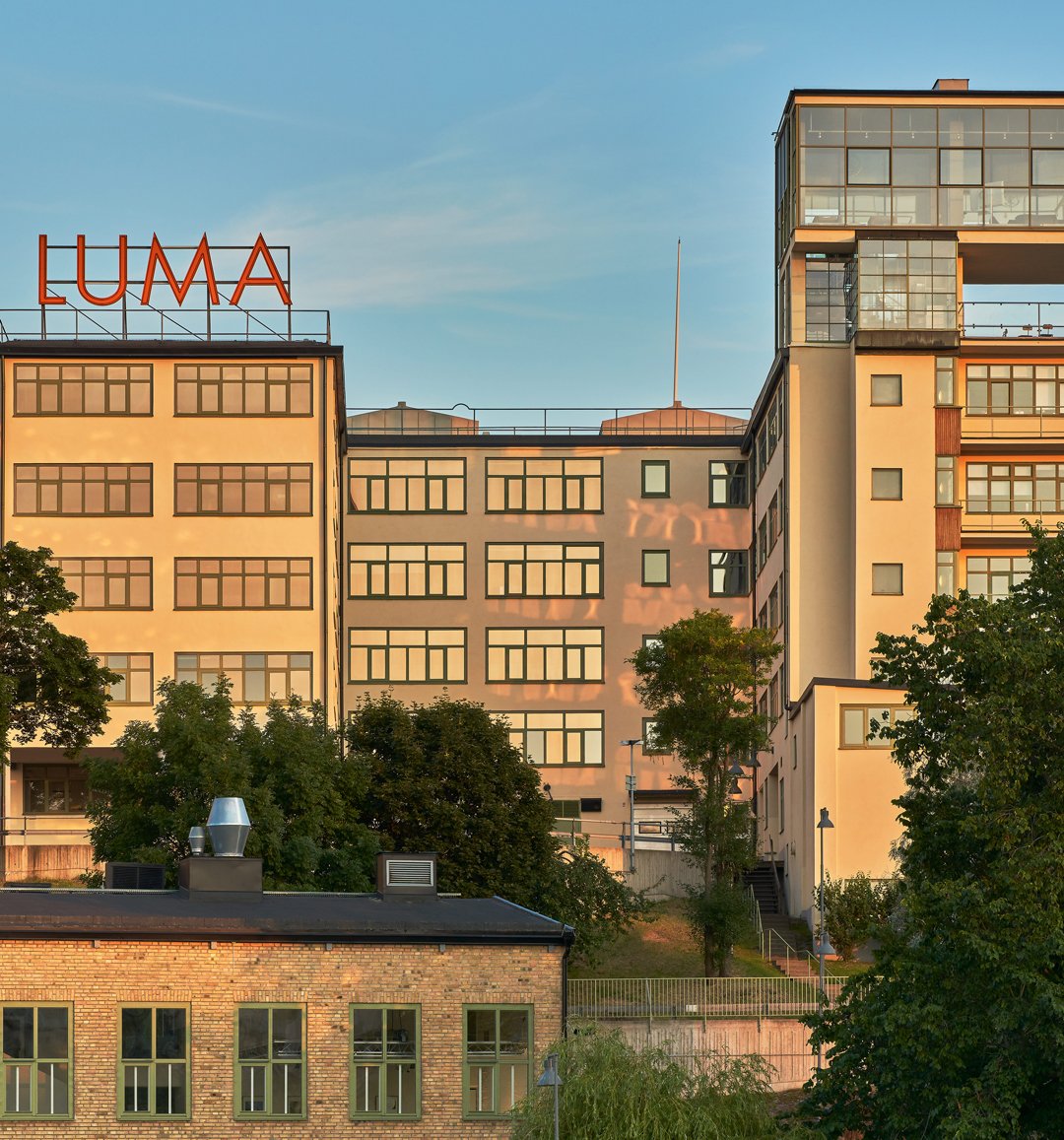
Haga Norra Kvarter 1
Mathildatorget 9
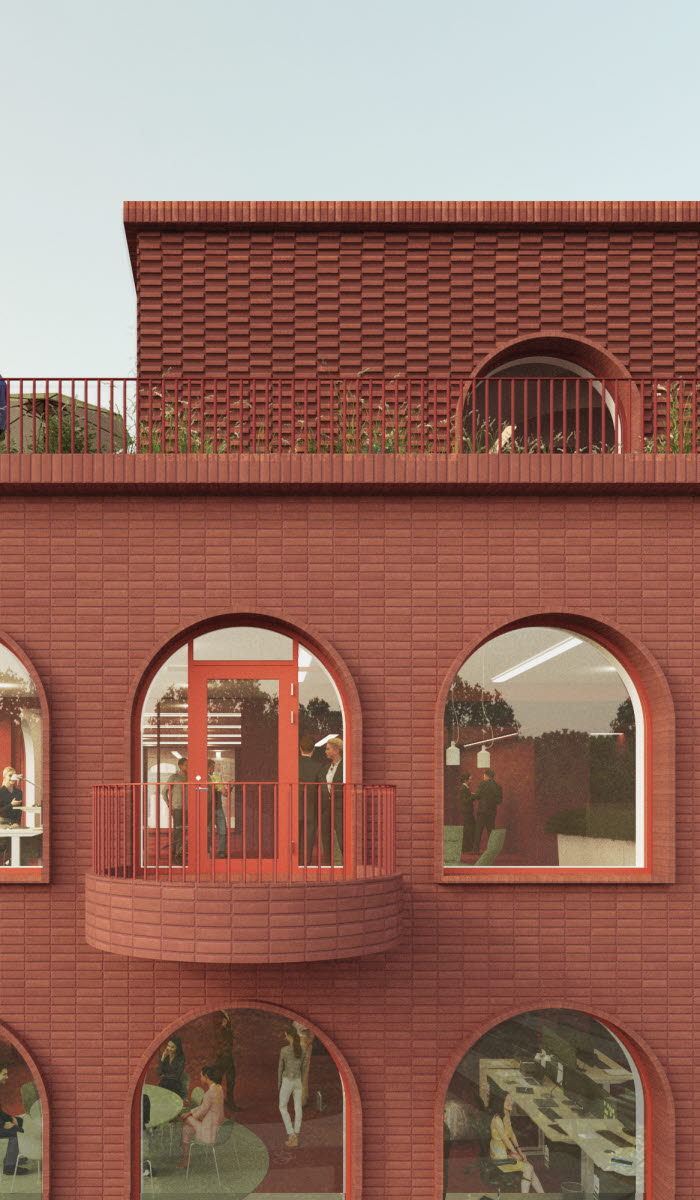
Haga Norra is one of Fabege's most ambitious urban development projects. The office building Kvarter 1, designed with classic architectural qualities, has become a benchmark for sustainable construction. The building has been recognised for its low energy consumption and minimal carbon footprint. One of its most striking features is the façade, which consists of 355,790 reclaimed bricks, all hand-laid on site.
- Kvarter 1 has received several prestigious awards:
- Winner: BREEAM Building of the Year 2023 – an award celebrating properties that inspire and lead the way in sustainability.
- BREEAM-SE "Outstanding" – the highest possible certification level.
- PQi – Excellent Project Quality – an annual award within the construction and property sector.
Façade of the Year 2024 - Solna City Urban Environment Prize 2025
Haga Norra is being developed as a dense and vibrant district with restaurants, services, housing, and offices where people are the central focus. The architecture is defined by timeless qualities and a classic inner-city block structure.
Read more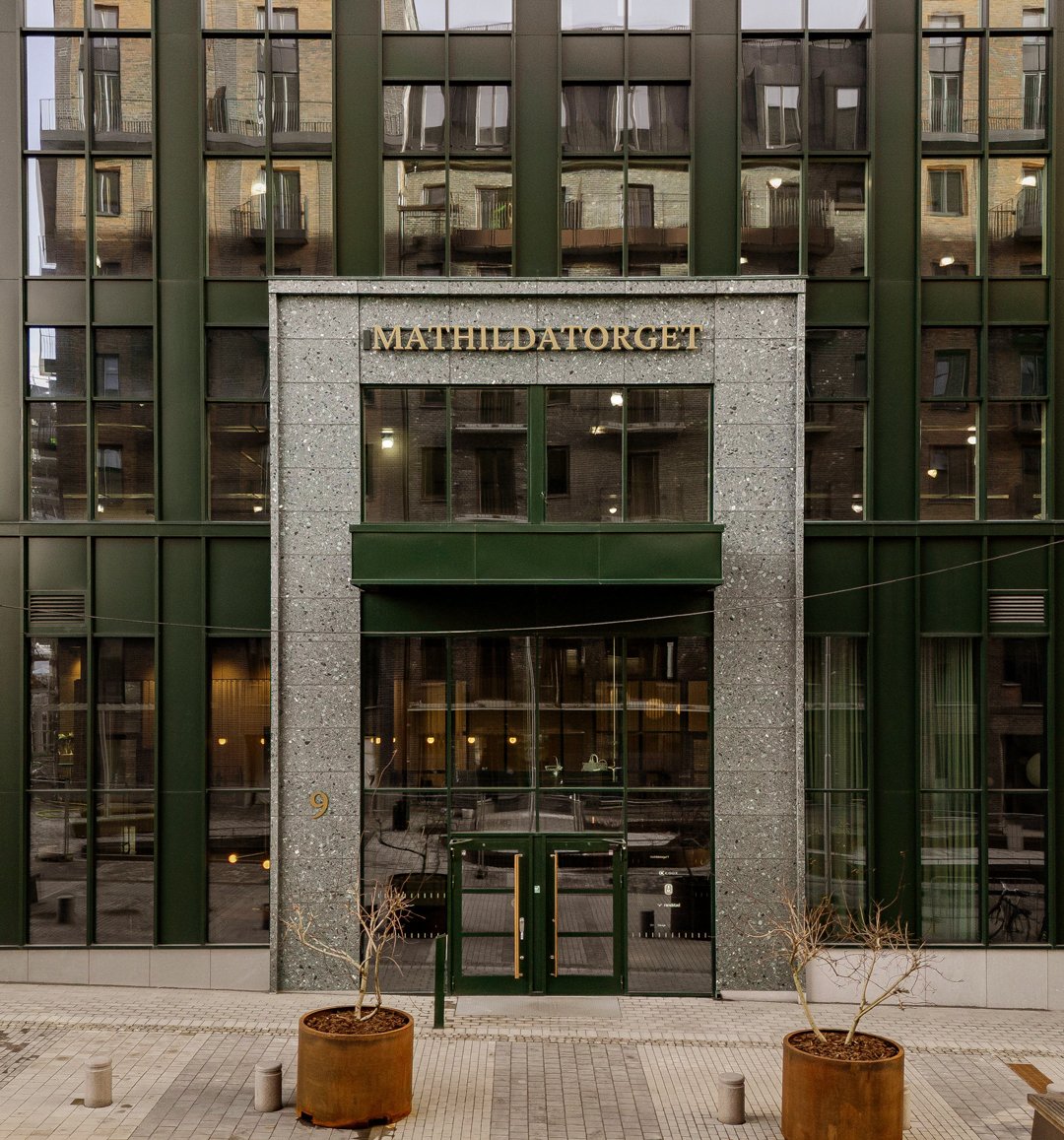
Centralbadet
Drottninggatan 88
Located in the Islandet block on Norrmalm in central Stockholm, Centralbadet was designed in the Art Nouveau style by architect Wilhelm Klemming and inaugurated in 1904. Originally, the facility featured baths, sun decks, tennis and bowling courts, a restaurant, a cigar shop, a barber, and a photography studio.
In 1965, the City of Stockholm acquired the property. During the extensive city redevelopment of the era, the building was threatened with demolition. However, the 1977 City Plan changed course, and the decision was made to preserve the block.
In 1985, it was designated as a heritage site. Centralbadet has since been meticulously renovated and preserved in its original style.
Today, the property houses the historic spa and restaurants, as well as approximately 5,000 square metres of office space.
Read more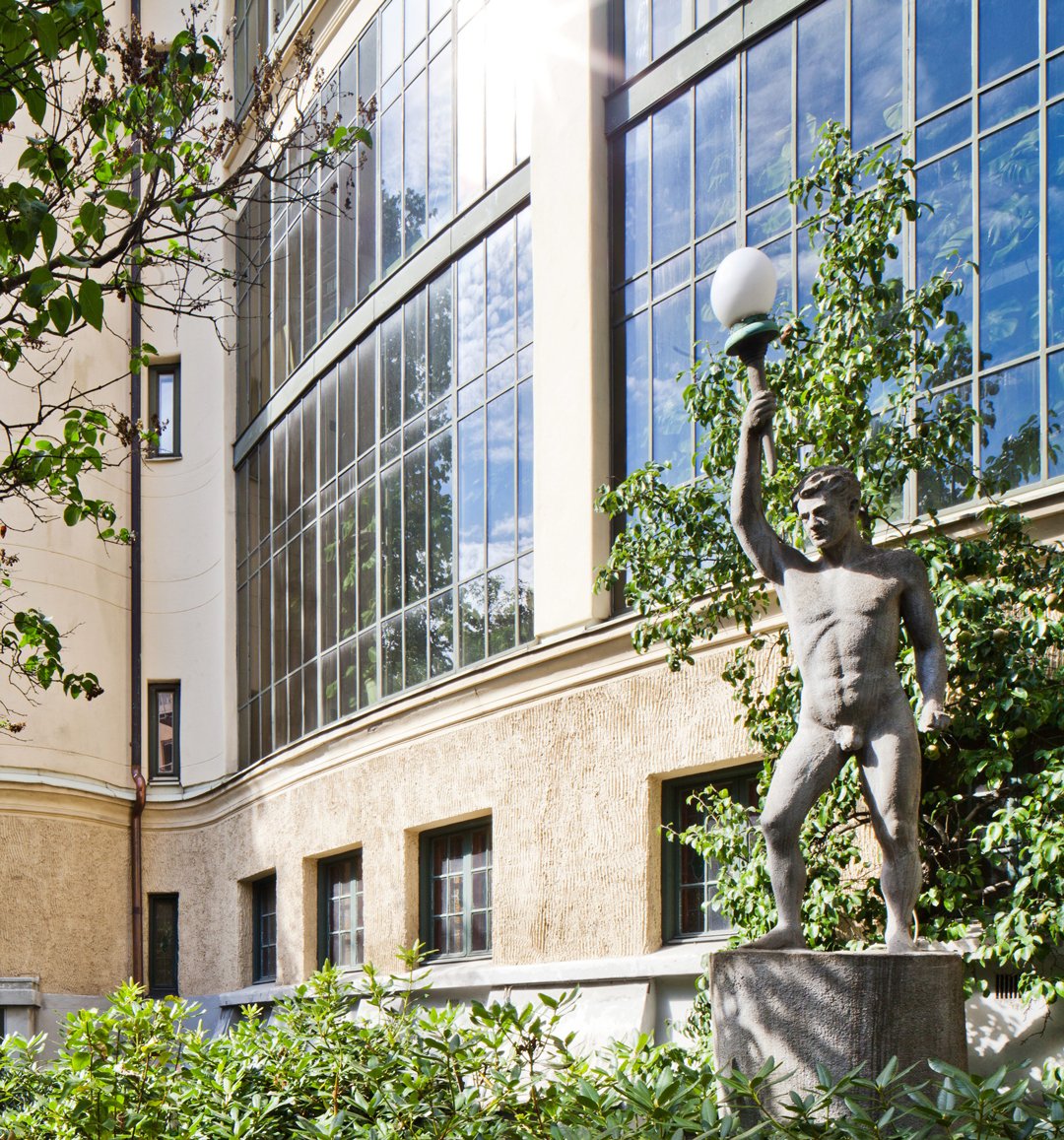
Engelbrektsgatan 7
The property Norrtälje 24, with the addresses Engelbrektsgatan 5–7, is located in Östermalm, adjacent to Humlegården park. The building consists of two interconnected structures with grand main entrances. Both buildings were originally erected in 1881 as residential apartments but are now used as premium office spaces.
The architecture reflects the late 19th-century "stone city" era, a time when large parts of Stockholm were developed into a dense and prestigious inner city.
Read more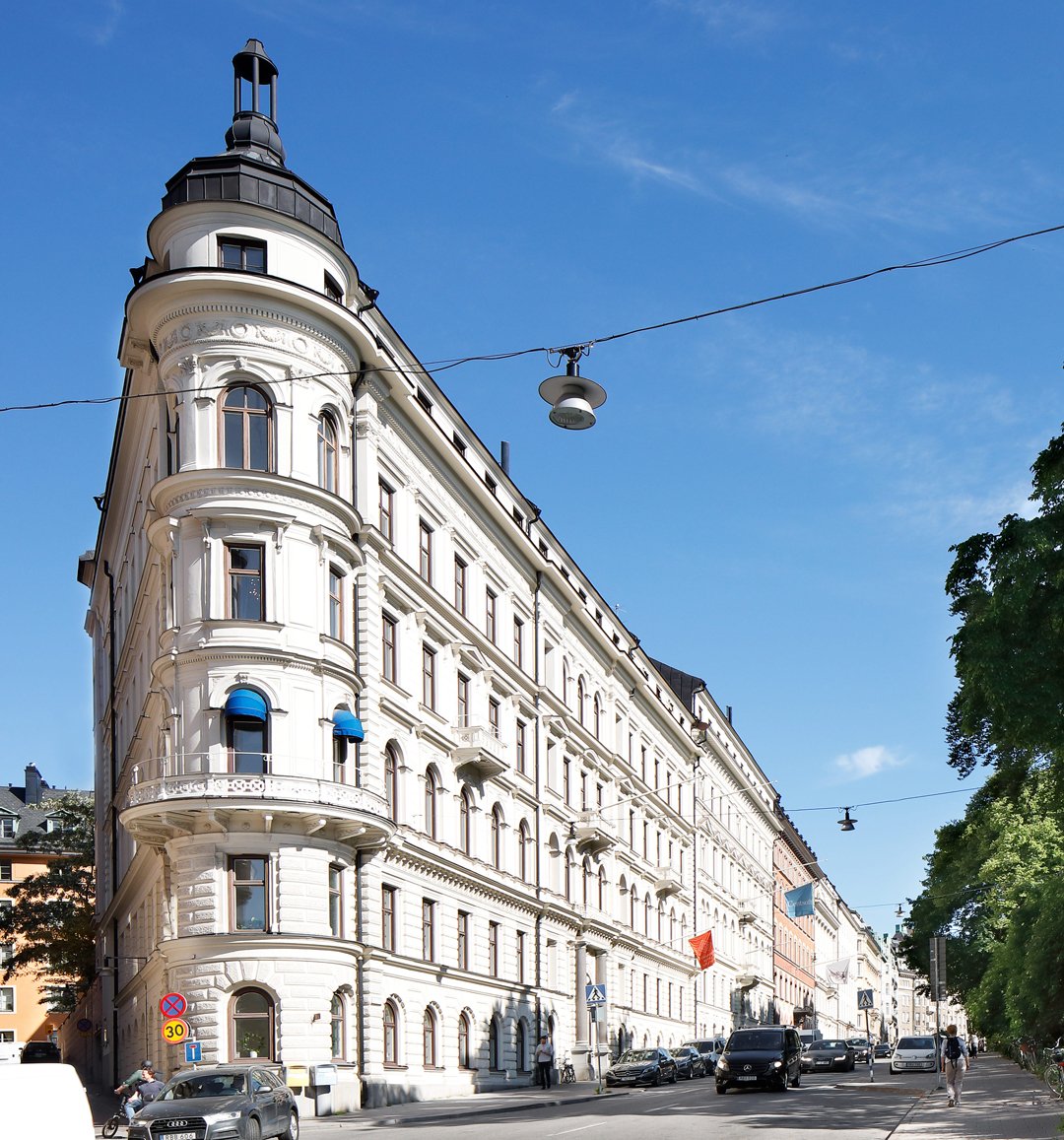
Hotel Kung Carl
Birger Jarlsgatan 21
Situated at the corner of Kungsgatan and Birger Jarlsgatan by Stureplan, Hotel Kung Carl is one of Stockholm’s most historic hotels, boasting a long and vibrant history.
As the oldest hotel in Stockholm, its heritage is truly impressive. It was founded in 1866 at Brunkebergstorg by wine merchant Johan Lundberg and took its name from the reigning monarch. In 1925, the hotel moved to its current prestigious address, where it quickly became a natural hub for the cultural elite of the era. Legends such as August Strindberg, Greta Garbo, and Selma Lagerlöf are just a few of the icons who considered this magnificent Art Nouveau building their second home.
When the Östlundh family acquired the hotel in 1977, it consisted of only 46 rooms and a simple dining room. Much has happened since then; today, it features 143 rooms, two bars, a bistro, banquet halls, a gym, conference facilities, a roof terrace, and its own jazz club. When Fabege acquired the property in 2005, a close collaboration began, resulting in a significant and high-profile refurbishment.
Read more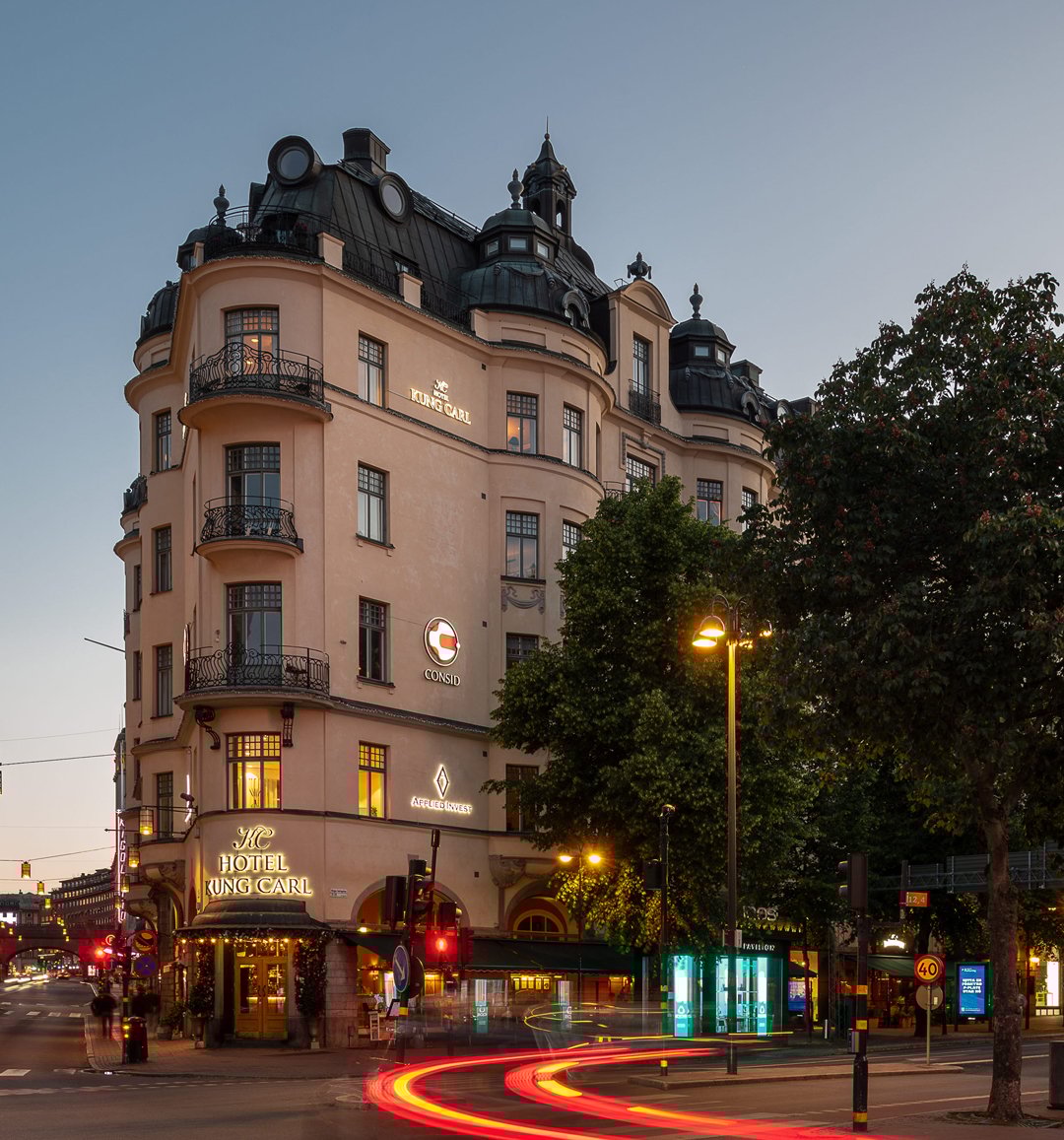
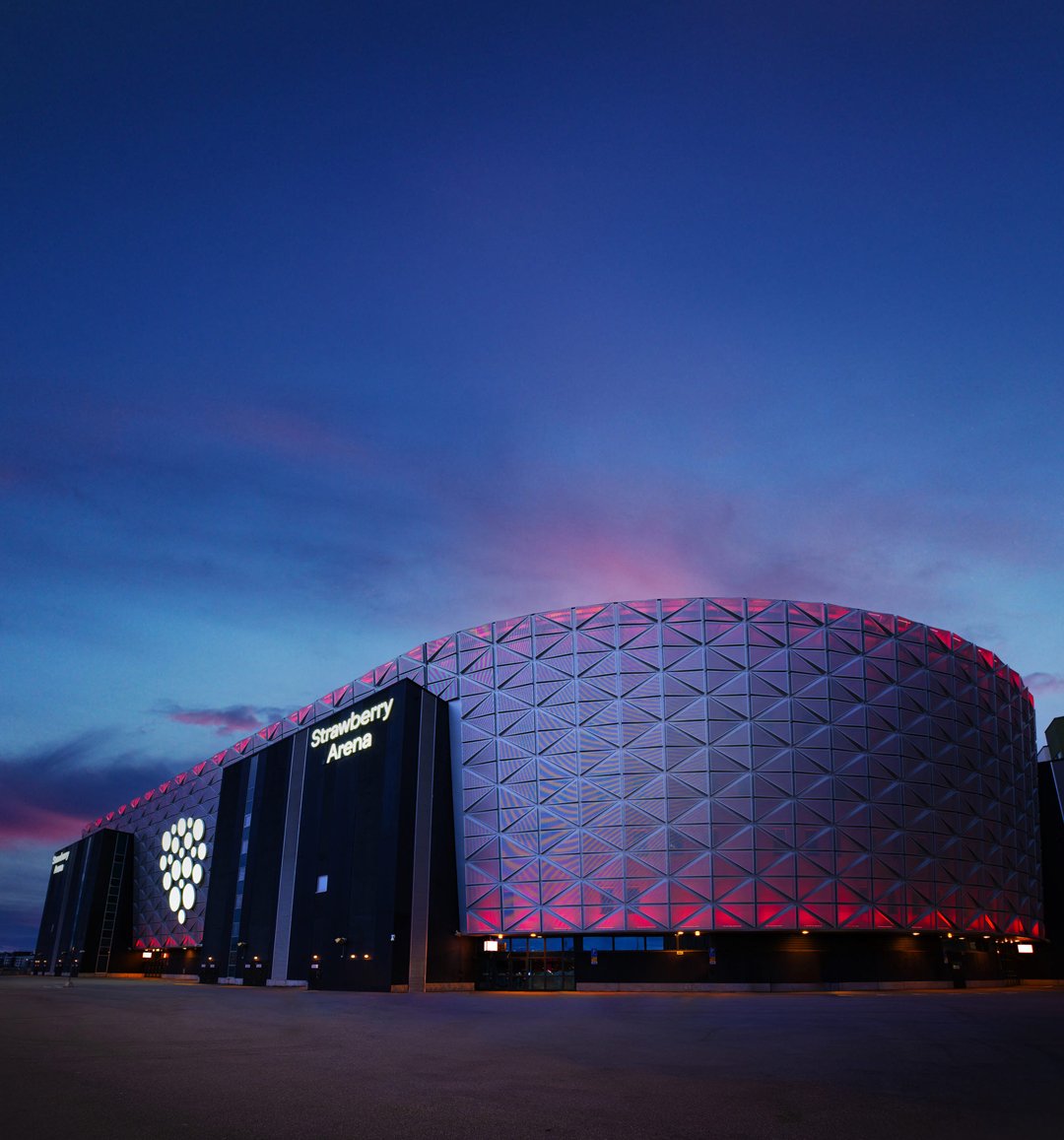
Strawberry Arena
Arenastaden
Strawberry Arena, of which Fabege is a co-owner alongside the Swedish Football Association, is Sweden’s national stadium for the men’s national football team and one of Europe’s most modern multi-purpose venues. Located in Arenastaden, Solna, the arena was inaugurated in 2012.
With a capacity of approximately 50,000 for football matches and up to 65,000 for concerts, it is the largest arena in the Nordic region. Its design features three continuous tiers that ensure excellent sightlines from all seats, creating an intense, intimate atmosphere close to the pitch. The arena is engineered for maximum versatility, allowing for rapid transitions between surfaces – from natural grass to ice or complex stage productions. The retractable roof ensures that concerts, sports, and world-class shows can be hosted year-round.
Since its opening, the arena has hosted some of the world’s biggest artists, including Beyoncé, Bruce Springsteen, Coldplay, Taylor Swift, and The Rolling Stones.
Read more